my cart (0)
 April 2, 2026
  Ryan Day
  0 Comment
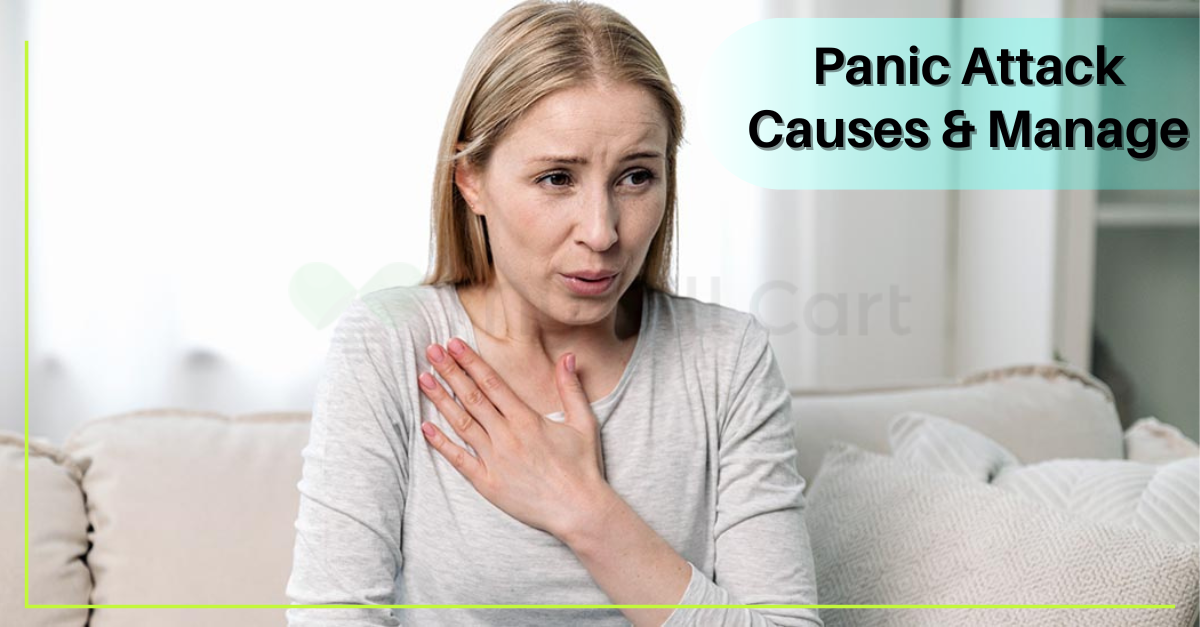
 Panic attacks can feel overwhelming, sudden, and difficult to control. They often appear without warning, causing intense fear, rapid heartbeat, shortness of breath, and a sense of losing control. While many people experience panic attacks occasionally, frequent episodes may indicate an underlying psychological condition.
Globally, anxiety disorders affect nearly 359 million people, making them one of the most common mental health concerns today. Studies also suggest that up to 28% of individuals experience at least one panic attack in their lifetime, highlighting how widespread the issue has become. Despite this, a large number of individuals do not receive proper treatment, allowing symptoms to worsen over time.
Understanding the causes of panic attacks is the first step toward effective management and long-term relief.
Chronic stress is one of the leading triggers of panic attacks. Continuous exposure to stress keeps the brain in a heightened state of alertness, which can eventually lead to sudden panic episodes.
People dealing with work pressure, financial concerns, or personal challenges often experience this type of anxiety. Overthinking further amplifies the problem by creating constant mental tension.
How to manage:
Stress management techniques such as mindfulness, regular exercise, and structured routines can help reduce the frequency of panic attacks.
Panic disorder is a condition where individuals experience repeated and unexpected panic attacks. These episodes often occur without a clear trigger, making them more distressing.
Research shows that panic disorder affects around 2–3% of the population annually, and it can significantly interfere with daily life if left untreated.
How to manage:
Cognitive behavioural therapy (CBT) and prescription medications are commonly used to control symptoms and prevent recurrence.
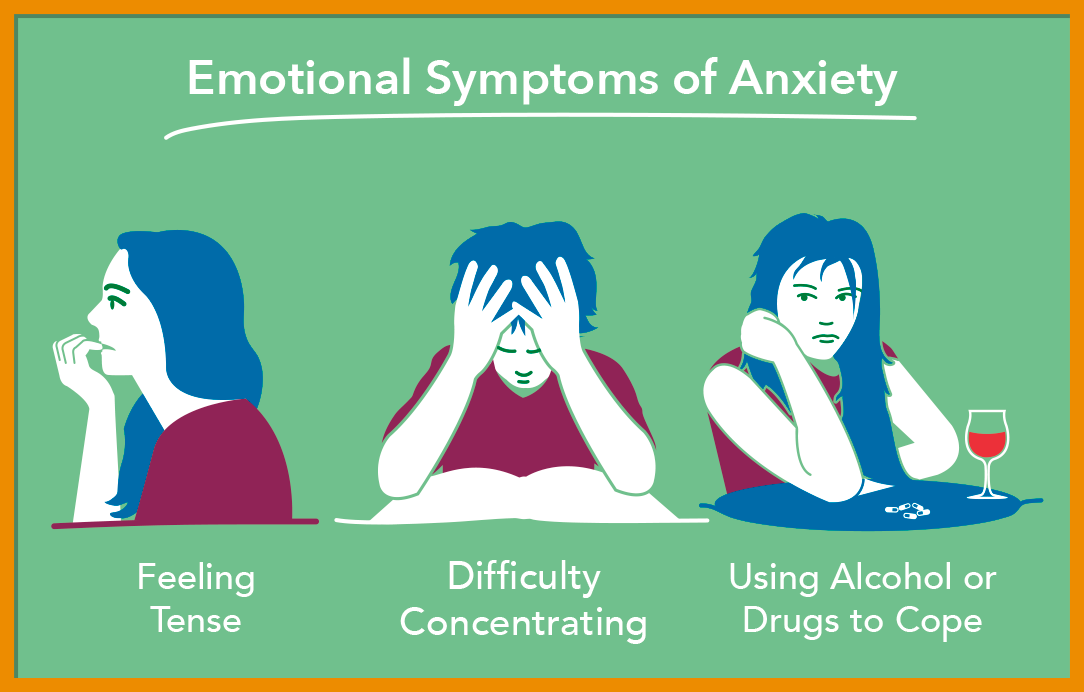
Generalized anxiety disorder (GAD), social anxiety, and other anxiety-related conditions can increase the likelihood of panic attacks. When anxiety becomes persistent, it can escalate into sudden panic episodes.
Around 19.1% of adults experience anxiety disorders each year, showing how common this trigger is.
How to manage:
Early diagnosis, therapy, and, in some cases, prescription anxiety medications can help stabilize symptoms.
Unresolved trauma, including past accidents, abuse, or emotional distress, can trigger panic attacks. The brain may respond to certain situations as threats, even when no real danger exists.
These triggers may remain hidden for years before surfacing as panic symptoms.
How to manage:
Trauma-focused therapy and professional mental health support are essential for long-term recovery.
High intake of caffeine or other stimulants can increase heart rate and mimic the physical symptoms of panic attacks. For some individuals, this can directly trigger an episode.
Energy drinks, coffee, and certain medications can all contribute to this effect.
How to manage:
Reducing caffeine intake and monitoring stimulant use can help prevent unnecessary panic triggers.
Lack of proper sleep can significantly affect mental health. Sleep deprivation increases stress hormones and reduces the brain’s ability to manage anxiety effectively.
People with insomnia or irregular sleep patterns are more prone to panic attacks.
How to manage:
Maintaining a consistent sleep schedule and addressing sleep disorders can improve overall mental stability.
Significant life events such as moving, job loss, relationship issues, or loss of a loved one can trigger panic attacks. These situations often create emotional instability and uncertainty.
Even positive changes can sometimes lead to increased anxiety.
How to manage:
Emotional support, counselling, and stress management techniques can help individuals adapt to changes more effectively.
Certain physical health conditions, including heart problems, thyroid disorders, and respiratory issues, can mimic or trigger panic attacks.
The physical symptoms may be misinterpreted as a panic episode, increasing fear and anxiety.
How to manage:
A proper medical evaluation is important to rule out underlying health conditions and ensure accurate treatment.
Alcohol, recreational drugs, and withdrawal from certain substances can disrupt brain chemistry and trigger panic attacks.
This is particularly common during withdrawal phases, where the body is adjusting.
How to manage:
Avoiding substance misuse and seeking professional support can reduce the risk of panic episodes.
One of the most challenging aspects of panic attacks is the fear of experiencing another one. This fear can create a cycle where anxiety about panic leads to more panic attacks.
Over time, individuals may begin to avoid certain situations, affecting their daily life.
How to manage:
Therapy, relaxation techniques, and structured coping strategies can help break this cycle.
Panic attacks are not just temporary episodes of fear. Studies indicate that nearly 22.8% of individuals with anxiety disorders experience severe impairment, affecting their work, relationships, and overall quality of life.
Ignoring symptoms can lead to worsening mental health conditions, making early intervention essential.
While lifestyle changes and therapy are effective for many individuals, some cases of anxiety and panic attacks require additional support. Prescription medications may be recommended when panic attacks become frequent, severe, or begin to interfere with everyday functioning.
One commonly prescribed medication is Xanax (Alprazolam). Alprazolam belongs to a class of medications called benzodiazepines, which work by calming the brain and nervous system. It is known for its fast-acting relief, making it effective during acute panic episodes. However, it is typically recommended for short-term or controlled use under medical supervision.
For individuals dealing with persistent symptoms, access to reliable prescription anxiety medication is important. Many people today look for convenient ways to buy anxiety medication online, especially when seeking privacy and accessibility.
Options to buy Xanax online or order Alprazolam online are increasingly popular, but it is essential to choose a trusted and reputable source. This ensures product authenticity, proper dosage, and safe delivery.
It is also important to remember that medications like Alprazolam do not cure anxiety disorders. Instead, they help manage symptoms effectively and are most beneficial when combined with therapy, lifestyle changes, and professional guidance.
Panic attacks can be frightening, but they are manageable with the right approach. Identifying triggers, improving lifestyle habits, and seeking timely support can significantly reduce their impact.
With millions of people affected worldwide, awareness and proper treatment are more important than ever. Whether through therapy, behavioral strategies, or prescription support, individuals have multiple options to regain control over their mental well-being.
Taking the first step toward understanding panic attacks can lead to long-term stability and a better quality of life.