my cart (0)
 March 28, 2026
  Ryan Day
  0 Comment
 In recent years, the way people consume information has changed dramatically. Social media platforms now dominate daily routines, often occupying several hours of attention every day. While these platforms offer convenience and entertainment, they also raise serious concerns about mental focus and cognitive health.
The growing discussion around ADHD and social media highlights how constant digital engagement may be affecting attention spans, productivity, and emotional well-being. Understanding how screen time and attention span are connected is essential for maintaining a balanced and healthy lifestyle.
Attention-Deficit/Hyperactivity Disorder (ADHD) is a neurodevelopmental condition that affects an individual’s ability to focus, stay organized, and control impulsive behaviour’s. It is commonly categorized into three types: inattentive, hyperactive-impulsive, and combined.
Many people associate ADHD with children, but ADHD symptoms in adults are equally significant. These may include difficulty concentrating, forgetfulness, restlessness, and challenges in completing tasks. In a world filled with constant digital stimuli, these symptoms can become more noticeable or even intensified.
The relationship between ADHD and social media is becoming increasingly evident. Social media platforms are designed to capture attention through rapid, engaging, and often repetitive content. This constant stimulation can make it difficult for the brain to adapt to slower, more focused tasks such as reading, studying, or working.
Over time, especially when considering ADHD and Social Media, individuals may begin to rely on quick bursts of content for satisfaction, reducing their ability to maintain sustained attention. This pattern closely resembles ADHD-like behaviour, even in individuals without a formal diagnosis.
One of the most concerning trends is the rise of social media addiction and ADHD-like symptoms. Platforms use algorithms that deliver personalized content instantly, creating a cycle of continuous engagement.
Each notification, like, or new post triggers a small release of dopamine, the brain’s reward chemical. In discussions around ADHD and Social Media, this is especially important, as it encourages users to keep scrolling without realizing how much time has passed. Over time, the brain becomes conditioned to seek constant stimulation, making it harder to focus on tasks that require patience and sustained effort.
Modern digital environments are filled with distractions. From frequent notifications to the pressure of staying updated, users are constantly pulled away from meaningful activities.
These digital distractions and ADHD-related challenges can lead to reduced productivity, poor time management, and increased stress. When looking at ADHD and Social Media, multitasking often seen as a skill can actually become a problem when it prevents deep concentration. Over time, this fragmented attention can mimic or even worsen ADHD symptoms, making it harder to distinguish between lifestyle-driven focus issues and true ADHD.
Beyond attention, excessive internet use also impacts emotional health. Constant exposure to information, opinions, and comparisons can overwhelm the brain.
The connection between screen time and attention span extends to emotional capacity. In the context of ADHD and Social Media, individuals may experience reduced patience, difficulty managing emotions, and a lower tolerance for delays or challenges. Social media can also create unrealistic expectations, leading to anxiety, frustration, and decreased self-esteem.
In many cases, people find it harder to engage in real-life conversations or maintain meaningful relationships, as digital interactions replace deeper human connections.
Social media platforms are designed for speed and variety. Users switch rapidly between videos, posts, and messages, which trains the brain to expect constant change.
This behavior directly contributes to ADHD and social media-related issues such as:
Over time, these patterns can either mimic ADHD or intensify existing symptoms, making everyday tasks more challenging.
Recognizing early signs is essential. Common ADHD symptoms in adults linked to excessive screen use include:
While these symptoms may not always indicate clinical ADHD, they should not be ignored.
It is important to distinguish between true ADHD and attention problems caused by lifestyle habits. When discussing ADHD and Social Media, this difference becomes even more relevant. Clinical ADHD is a medical condition that requires proper diagnosis, while social media-induced attention issues are often temporary and reversible.
If symptoms persist despite reducing screen time, it is advisable to seek professional evaluation. Understanding this difference helps ensure that individuals receive appropriate care and support.
There are several effective ADHD treatment options available, depending on the severity of symptoms.
Behavioral therapy can help individuals develop better focus and organizational skills. Lifestyle changes, such as improving sleep, maintaining a healthy diet, and engaging in regular physical activity, also play a significant role.
Reducing screen time is one of the most practical steps when addressing ADHD and Social Media. Simple strategies like setting usage limits, turning off notifications, and scheduling digital breaks can significantly improve attention and mental clarity.
For individuals diagnosed with ADHD, medication may be recommended as part of a comprehensive treatment plan. Stimulant medications such as Adderall are commonly prescribed to improve focus and reduce impulsivity.
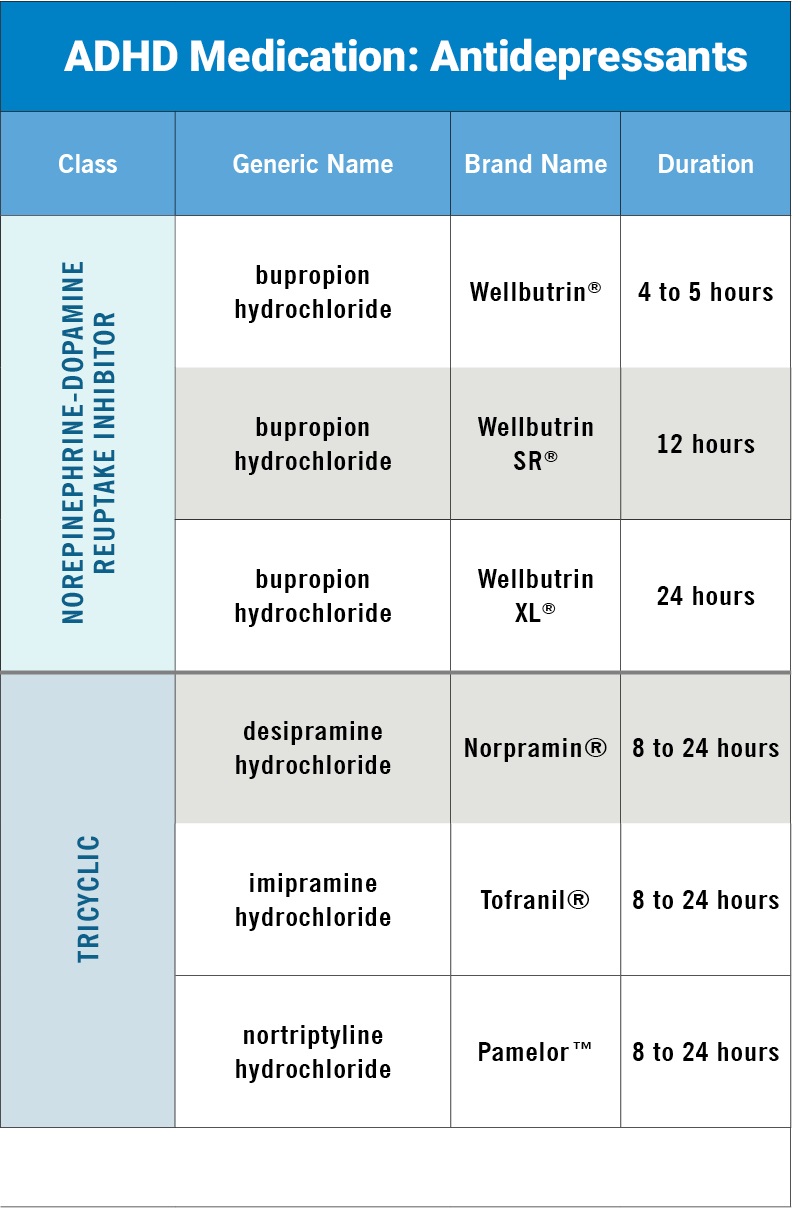
These medications work by balancing certain chemicals in the brain, helping individuals stay attentive and organized. However, they should always be used under medical supervision to ensure safety and effectiveness.
With the increasing demand for convenience, many individuals look for options to buy Adderall online. While online pharmacies can offer accessibility and privacy, it is important to approach this process carefully.
Always choose licensed and verified pharmacies that require a valid prescription. Avoid websites that offer medication without proper verification, as these may sell counterfeit or unsafe products. Secure payment methods, privacy protection, and transparent policies are key indicators of a reliable service.
Responsible purchasing ensures both safety and effectiveness, making it an essential part of treatment.
Maintaining control over digital habits is essential in today’s environment. To improve screen time and attention span, individuals can adopt simple yet effective practices:
These steps not only improve attention but also enhance overall mental well-being.
As technology continues to evolve, the relationship between ADHD and social media will remain an important topic. Increased awareness can help individuals make informed choices about their digital habits.
Technology itself is not the problem; rather, it is how it is used. By maintaining a balanced approach, it is possible to benefit from digital tools without compromising focus and mental health.
The connection between ADHD and social media highlights the impact of modern lifestyles on cognitive health. Excessive screen time can affect focus, emotional capacity, and overall well-being, often leading to symptoms that resemble ADHD.
By recognizing these patterns early, especially when considering ADHD and Social Media, individuals can regain control over their attention and productivity by adopting healthier habits. Whether through lifestyle changes or appropriate ADHD treatment options, taking proactive steps is essential for long-term mental clarity and balance.
Social media does not directly cause ADHD, but when discussing ADHD and Social Media, it’s important to note that excessive use can create symptoms similar to the condition.
High screen time reduces the brain’s ability to focus on long tasks, leading to shorter attention spans.
Common symptoms include difficulty concentrating, impulsiveness, restlessness, and poor time management.
Treatment may include therapy, lifestyle changes, and prescribed medication based on individual needs.
Yes, but only from licensed pharmacies that require a valid prescription and follow proper safety standards.